

How to Prevent Lawn Suffocation After Storms: Managing Debris Piles and Reviving Your Grass for Full Recovery
Introduction: How to Prevent Lawn Suffocation After Storms
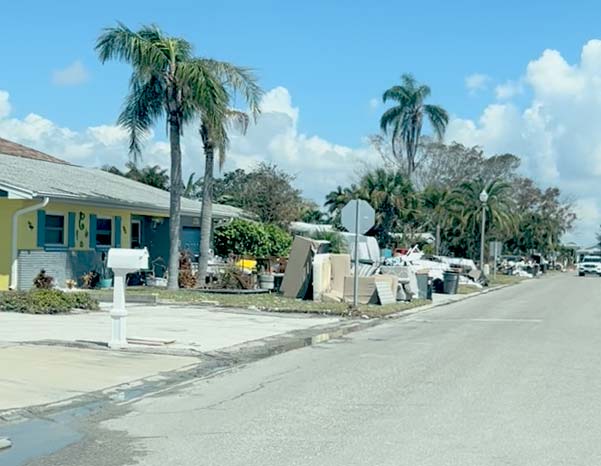
After two back-to-back hurricanes, you’ve finally cleared the water from your home, but piles of debris — broken branches, torn-up furniture, and garbage — are still sitting on your lawn. The storm cleanup efforts have been slow, and now, weeks later, you notice your once lush grass is starting to brown and thin out beneath those piles.
You’re not alone in this. Many homeowners in Pinellas County are facing the same problem after Hurricane Helene’s flooding and Hurricane Milton’s wind damage. Left unattended, these piles can suffocate your grass, causing long-term damage to your lawn that might seem irreversible.
But there’s good news. With the right steps, your lawn can recover — and even thrive again. In this guide, you’ll learn how to prevent lawn suffocation from debris and manage the recovery process, giving your grass the best shot at a full comeback.
The Threat of Lawn Suffocation After Storms
When storms hit, especially ones as intense as Hurricane Helene and Hurricane Milton, your lawn faces more than just a cosmetic mess. Floodwaters and strong winds leave homeowners with the need to create huge piles of debris, and if that debris sits on your grass for weeks, it creates a bigger problem: suffocation.
Why Does Debris Suffocate Grass?
Grass is a living organism that needs sunlight, oxygen, and water to survive. When items such as branches, drywall, or household waste pile up on your lawn, it blocks these essential elements. Without proper airflow and sunlight, grass blades start to wither, turning brown or yellow. Over time, this can lead to thinning, patchy areas, or even complete lawn death. The thicker and heavier the debris, the faster your lawn can start to deteriorate.
In Pinellas County, where humidity and heat are high, the situation becomes more urgent. Moisture trapped under debris creates a breeding ground for mold, mildew, and pests, all of which can wreak havoc on the soil and root structure of your grass. And since we’re dealing with post-storm conditions, it’s not just natural debris like branches or leaves. Household items like furniture, carpets, or drywall can leave chemical residue or introduce toxins into your soil.
The Consequences of Waiting Too Long
Unfortunately, the longer debris sits, the harder it becomes to reverse the damage. Grass suffocation doesn’t just affect the visible part of the lawn—it damages the roots too. Once the roots are compromised, your lawn loses its ability to absorb water and nutrients, making it more prone to disease and other environmental stressors.
But here’s the silver lining: if you act quickly, your lawn has a fighting chance at survival. The next section will explain the immediate steps you can take to manage debris piles and prevent further damage.
2. Immediate Steps to Take: Managing Debris Piles
The key to saving your lawn after a storm is removing debris as quickly as possible. The longer you wait, the more damage your grass will suffer. While waiting for municipal cleanup crews or insurance responses might feel like the only option, there are steps you can take to protect your lawn in the meantime.
Prioritise Debris Removal
If large piles of debris are sitting on your lawn, your first priority should be to clear it away — even if you can only manage a section at a time. Start with the largest and heaviest items, like broken tree branches or pieces of furniture, as these are most likely to block sunlight and airflow. Any remaining leaves or smaller items can be cleared later, but focus on preventing large areas of your lawn from suffocating.
Park on the Grass!
If ever there was a good excuse to park on your grass, this is it! So long as the sod is not wet, you will do less damage to your yard with your vehicle than the large debris pile will. Move the debris to your driveway and use your yard for parking (assuming the HOA or city rules allow for that). For best results park in different areas of the yard each day.
DIY vs. Professional Help
If you’re dealing with manageable amounts of debris, DIY removal may be your best bet for a quicker resolution. Rake up loose leaves and small branches, and gather any non-organic debris like furniture or household items for later disposal.
However, if your yard is completely covered with debris, especially if large branches or water-damaged furniture are involved, calling in a professional might be the safest and most efficient route. Many landscaping companies, like Lawns & Palms, Inc., offer post-storm debris removal services. They have the proper equipment and experience to handle heavy or hazardous debris, especially when it could damage your lawn further.
Be Careful with Heavy Machinery If you decide to tackle debris removal yourself, be cautious about using heavy machinery like tractors or lawnmowers on your waterlogged or debris-covered lawn. Running equipment over soft soil or debris can compact the ground, damaging the grassroots and making a recovery even harder.
Temporary Protection Measures
While waiting for larger debris to be cleared, consider temporarily moving items to less sensitive areas of your property, such as walkways, driveways, or patios. This can help limit the suffocation effect while you organize proper removal. Additionally, placing tarps over debris piles can prevent water from seeping into the soil, protecting your lawn from further moisture-related issues.
Removal VS Replacement. Cost factors
You may want to look at the costs of debris removal vs. the cost of putting new sod down. If the cost to remove your debris is in the thousands, and your local city management is offering to remove the items for free (on their time) it may be worth allowing a small portion of your yard to die, and replace it afterwards.
By taking these proactive steps, you’ll prevent your lawn from deteriorating further. But what if your grass is already showing signs of damage? In the next section, we’ll explore how to assess your lawn and determine what’s salvageable.
3. Assessing Lawn Damage
Once you’ve cleared the debris, it’s time to assess how much damage your lawn has sustained. Early detection is crucial, as it helps you decide what recovery steps are necessary.
Signs of Lawn Suffocation
Look for these common symptoms:
- Browning or Yellowing: Grass that hasn’t received sunlight or oxygen may turn brown or yellow. Check if the grass breaks easily — a sign of suffocation.
- Thinning Patches: If large areas of grass are thinning or bare, the roots may have been damaged.
- Pests or Mold: Moisture trapped under debris can lead to mold or invite pests like ants or grubs, which can further harm the grass.
Determine the Extent of Damage
If only small patches are affected, your lawn is likely salvageable with proper care. However, if large sections have been suffocated, more intensive recovery methods (like reseeding or sodding) may be required.
Once you’ve assessed the damage, it’s time to start reviving your grass.
5. Reviving Your Grass After the Storm
Now that you’ve assessed the damage, it’s time to bring your lawn back to life. While the process can take time, following the right steps will improve your chances of a full recovery.
Aerate the Soil
If your lawn has been compacted by debris or heavy rain, aeration is the first step to revitalise it. Aerating loosens the soil, allowing air, water, and nutrients to reach the grass roots. You can rent a core aerator or hire a landscaping company to do this for you. Aeration is particularly important in Florida’s humid climate, where compacted soil can trap moisture and promote mould growth.
Watering and Fertilising
Once you’ve aerated, give your lawn a deep watering to hydrate the roots. This helps wash away any salt or contaminants left by floodwaters. After watering, apply a balanced fertiliser to nourish the grass and encourage new growth. Be careful not to over-fertilise, as this can stress your already weakened lawn.
Reseeding or Sodding
If certain areas of your lawn are too damaged to recover on their own, you may need to reseed or sod. For smaller, thinned-out patches, overseeding can help fill in the gaps. For larger bare spots, sodding might be a better option to quickly restore a lush, green look. Just ensure the soil is well-prepped before laying new seed or sod.
Monitor and Maintain
In the weeks following, continue to monitor your lawn’s progress. Keep an eye out for any pests or diseases that might take advantage of weakened grass, and maintain a regular watering schedule without over-saturating the soil.
With patience and proper care, your grass can recover and even thrive again. In the final section, we’ll discuss ways to prepare for future storms and protect your lawn.
Conclusion: Restoring Your Lawn After the Storms
Hurricanes can leave your lawn in a vulnerable state, but with prompt debris removal and the right recovery steps, your grass can bounce back. By aerating, watering, fertilizing, and reseeding as needed, you’ll give your lawn the best chance at a full recovery. And with regular maintenance and storm preparation, you can protect your yard from future damage.
Remember, while the process takes time, your lawn can thrive again with the right care. If you need help restoring your yard contact Lawns & Palms Inc. today for a quick quote.


