How to Keep Your Lawn Alive During a Drought in Pinellas County
How to Keep Your Lawn Alive During a Drought in Pinellas County
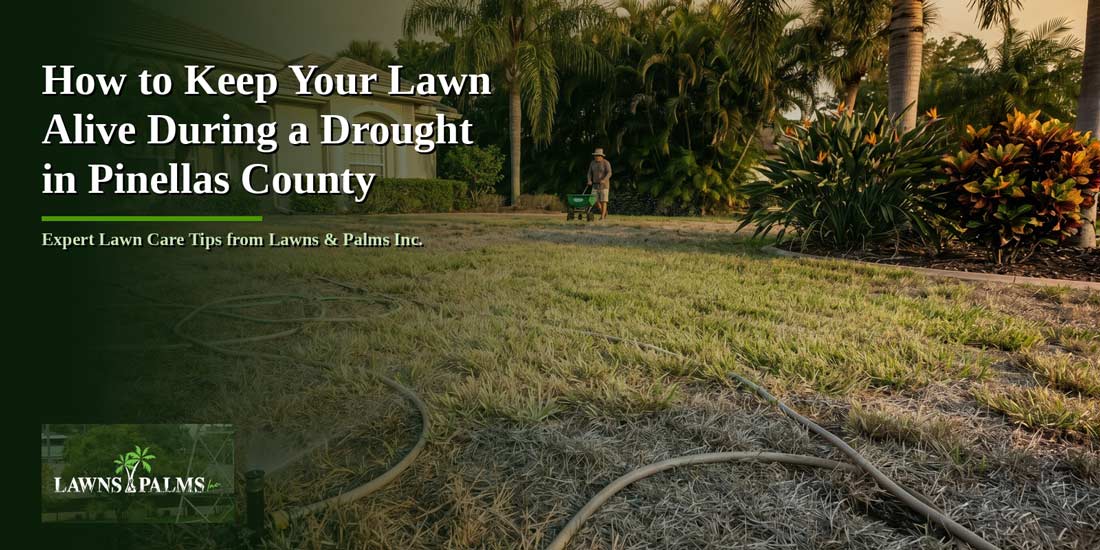
When drought conditions settle into Pinellas County, it usually shows up fast in residential landscapes. Lawns begin to fade from green to dull gray, dry patches start spreading, and plants that looked healthy just a few weeks ago can suddenly appear stressed, thin, or burned out.
The good news is that a struggling lawn is not always a dead lawn. In many cases, the right watering habits, mowing adjustments, and landscape priorities can help protect your yard until better conditions return. The key is acting early and making smart decisions instead of simply throwing more water at the problem.
If you want help from a local team that already works with properties across the area, you can learn more about Lawns & Palms’ residential lawn care services.
Homeowner tip: During a drought, the goal is not always to keep every inch of the yard looking perfect. The smarter goal is to protect the most important areas, reduce avoidable damage, and give your lawn and landscape the best chance to recover.
What’s Actually Happening to Your Lawn Right Now
Many homeowners assume brown grass automatically means the lawn is dead, but that is not always true. During extended heat and low rainfall, grass often goes into a stress response known as dormancy. That means it slows down growth and begins conserving resources until moisture returns.
In Florida, this stress can happen quickly because many yards deal with sandy soil, high heat, intense sun, and uneven irrigation coverage. A lawn may look weak long before it is truly beyond saving.
Common signs of drought stress in residential lawns
- Grass blades folding, curling, or becoming brittle
- A blue-gray or dull gray tint across sections of the yard
- Footprints lingering in the grass after walking through it
- Dry, crunchy patches that spread outward over time
- Hot spots near sidewalks, driveways, fences, and south-facing areas
Landscape plants often show stress too. You may notice wilting, leaf drop, scorched edges, or fading color in shrubs and ornamentals that normally hold up well. Newer plantings are usually the most vulnerable because they have not had enough time to establish deep roots.
Water Smart, Not Constantly
One of the biggest mistakes homeowners make during a drought is watering too often and too lightly. Frequent shallow watering can encourage weak roots and does very little to help turf survive tough conditions. In most cases, deeper and more targeted watering is more effective than running the sprinklers every day.
Early morning is typically the best time to water because temperatures are lower, wind is calmer, and more of that water has a chance to soak into the soil instead of evaporating. Midday watering loses too much moisture to heat, while nighttime watering can leave the yard damp for too long.
Smarter drought watering habits
- Water early in the morning whenever possible
- Aim for deeper soakings instead of quick daily cycles
- Check that sprinklers are hitting the lawn, not sidewalks or driveways
- Hand-water sensitive plants or small problem areas when needed
- Adjust irrigation zones so stronger areas are not being overwatered
Important: Always follow current local watering rules and restrictions. Even when drought conditions are severe, watering more than allowed can create waste without actually solving the real problem.
If parts of your lawn still look bad after watering, the issue may not be the amount of water at all. It could be poor sprinkler coverage, compacted soil, runoff, damaged irrigation heads, or stressed turf that needs a different recovery plan.
Current Watering Regulations in Pinellas County
Right now, Pinellas County is under a Modified Phase III “Extreme” Water Shortage Order. That means outdoor watering rules are tighter than usual, and homeowners should be especially careful about when and how they water.
For Pinellas County Utilities customers, the county says irrigation is limited to one day per week, and the exact day depends on your address and location. The county also notes that residents who do not receive water from Pinellas County Utilities should verify watering days and restrictions with their own water supplier.
There are also additional rules in effect during this shortage period. For example, HOA and community standards cannot require extra water use for aesthetics, at-home car washing is limited to your lawn watering day and must use a hose with a shutoff nozzle, ornamental fountains are limited to four hours per day, and restaurants are required to serve water only upon request.
Heads up: Pinellas County says violations can result in a $193 citation beginning April 17, 2026, and the fine doubles with each additional violation.
Official Pinellas County resources
What to Prioritize and What to Let Go for Now
During an active drought, trying to save every square foot of the yard can become expensive and frustrating. A better approach is to prioritize the areas that matter most to the look, function, and long-term health of your property.
For most homes, that means protecting high-visibility spaces first. Your front entry, curb appeal areas, foundation plantings, and newly installed shrubs or sod typically deserve the most attention. These areas shape the overall appearance of the property and are often the hardest or most expensive to replace later.
Usually worth prioritizing
- Front yard curb appeal zones
- Plants around the front entry or walkway
- Recently installed sod, shrubs, or ornamental plants
- Landscape beds with mulch and established irrigation
Sometimes okay to reduce focus on temporarily
- Low-visibility side yard turf
- Large open lawn areas with minor discoloration only
- Non-essential decorative zones that can recover later
This kind of decision-making helps homeowners avoid overspending while still protecting the parts of the property that make the biggest visual impact.
Simple Ways to Protect Your Yard During a Drought
There are several practical ways to reduce drought stress without making your landscape routine more complicated. Small changes in mowing, mulching, and plant care can make a noticeable difference over time.
Easy drought-protection steps for homeowners
- Raise your mower height to reduce stress on the grass
- Avoid cutting too much off the lawn at one time
- Mulch landscape beds to help the soil hold moisture longer
- Delay unnecessary trimming that exposes plants to more sun stress
- Spot-water vulnerable shrubs and flowers instead of soaking everything
- Watch for irrigation leaks, broken heads, and dry zones
Mulch is especially helpful during a Florida drought because it protects the root zone from direct sun, slows evaporation, and helps the soil stay cooler. If your landscape beds are thin, dry, or bare, refreshing mulch can be one of the easiest improvements you make.
It is also smart to ease up on aggressive lawn treatments during extreme stress. A drought-stressed lawn usually responds better to stabilization and recovery than it does to being pushed for fast cosmetic improvement.
Will Your Lawn Come Back After the Drought?
In many cases, yes. Grass that has gone dormant can often recover once rainfall returns and growing conditions improve. The challenge is knowing the difference between turf that is temporarily stressed and turf that has already declined too far.
If you still see some healthy blades mixed into brown areas, if roots remain anchored, or if the lawn responds in patches after better watering, recovery may still be possible. But if sections are completely brittle, thinning into bare soil, or failing to respond after conditions improve, parts of the lawn may need repair, overseeding, resodding, or a broader recovery plan.
Avoid guessing too long. The longer severe drought damage goes unaddressed, the easier it is for weeds, erosion, and uneven recovery to create bigger issues later.
Drought Conditions in Pinellas County Can Change Fast
Pinellas County landscapes face a unique mix of heat, wind, coastal exposure, sandy soil, and intense sun. Even when a yard looks fine at the beginning of a dry spell, it can decline quickly once rainfall stays low and temperatures keep climbing.
That is one reason local experience matters. Drought stress in Florida does not always look the same from one property to the next. Soil type, sun exposure, irrigation layout, tree cover, turf variety, and plant selection all affect how a residential yard holds up under pressure.
Homeowners who act early usually have more options. A few timely adjustments can often preserve plant material, reduce long-term damage, and make recovery far easier once weather patterns improve.
Need Commercial Landscaping Help Too?
While this article focuses on residential yards, Lawns & Palms also works with larger professionally managed properties across the area. If you also manage or oversee commercial sites, these pages may be useful:
Need Help Figuring Out What’s Salvageable?
If your lawn is browning, your plants are struggling, or your irrigation coverage seems uneven, it helps to get a professional opinion before the damage spreads further. A trained eye can often tell the difference between temporary drought stress, irrigation problems, and areas that may need a larger recovery plan.
Lawns & Palms can help homeowners in Pinellas County evaluate what is worth saving, what needs attention first, and what steps make the most sense for the property moving forward.
Explore Residential Lawn Care